The Are.na Hyper-Normalisation Machine
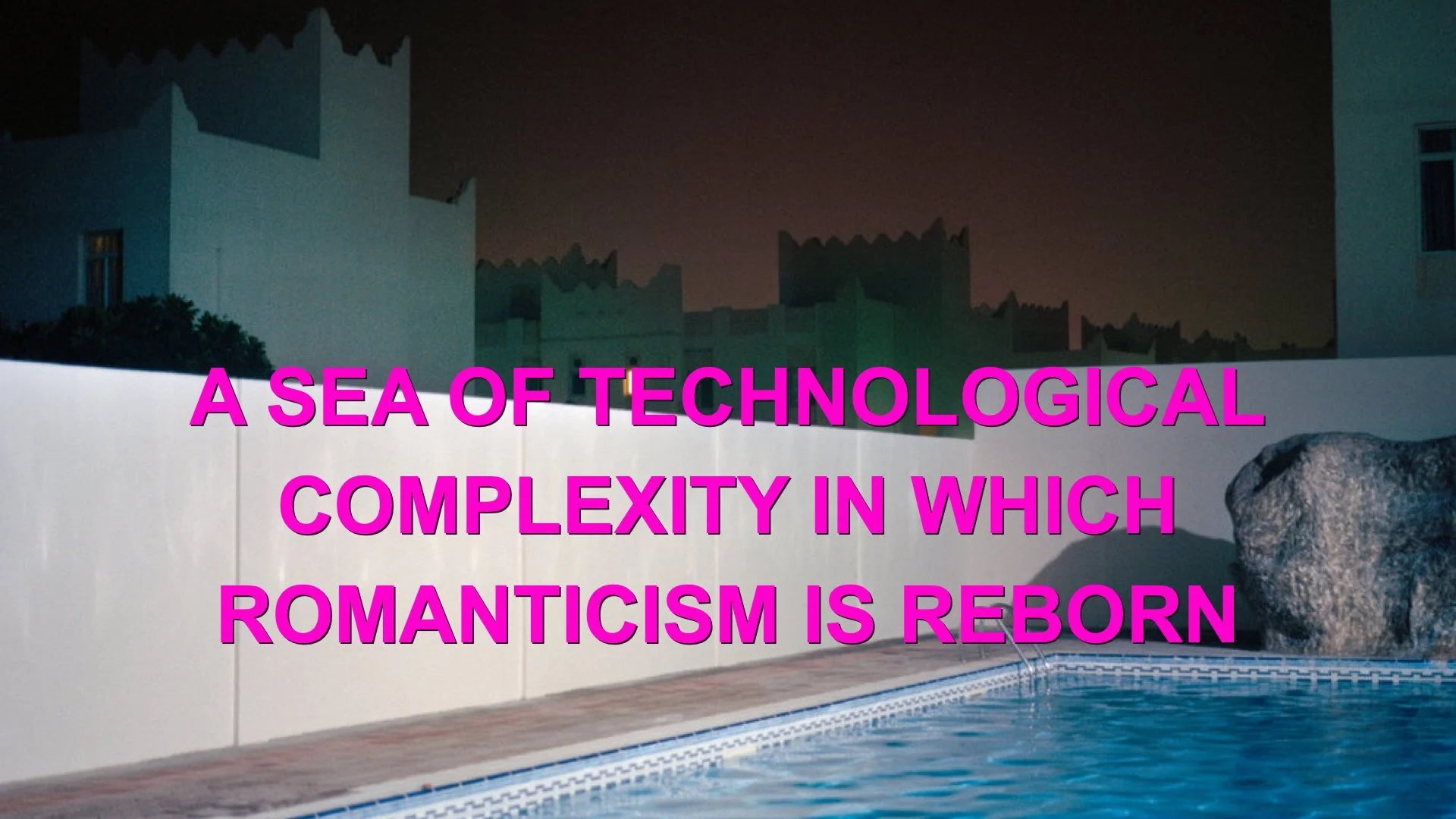
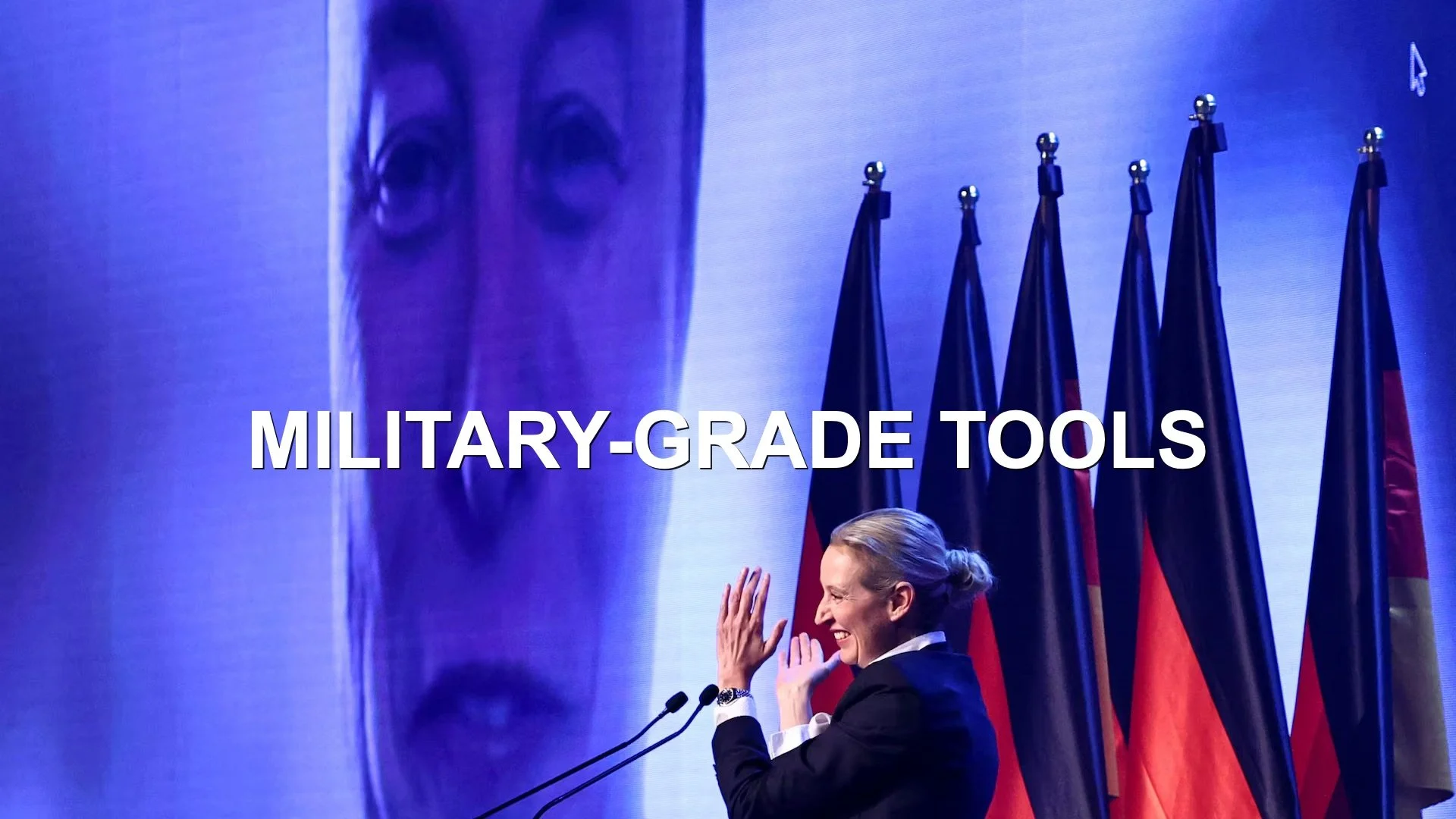
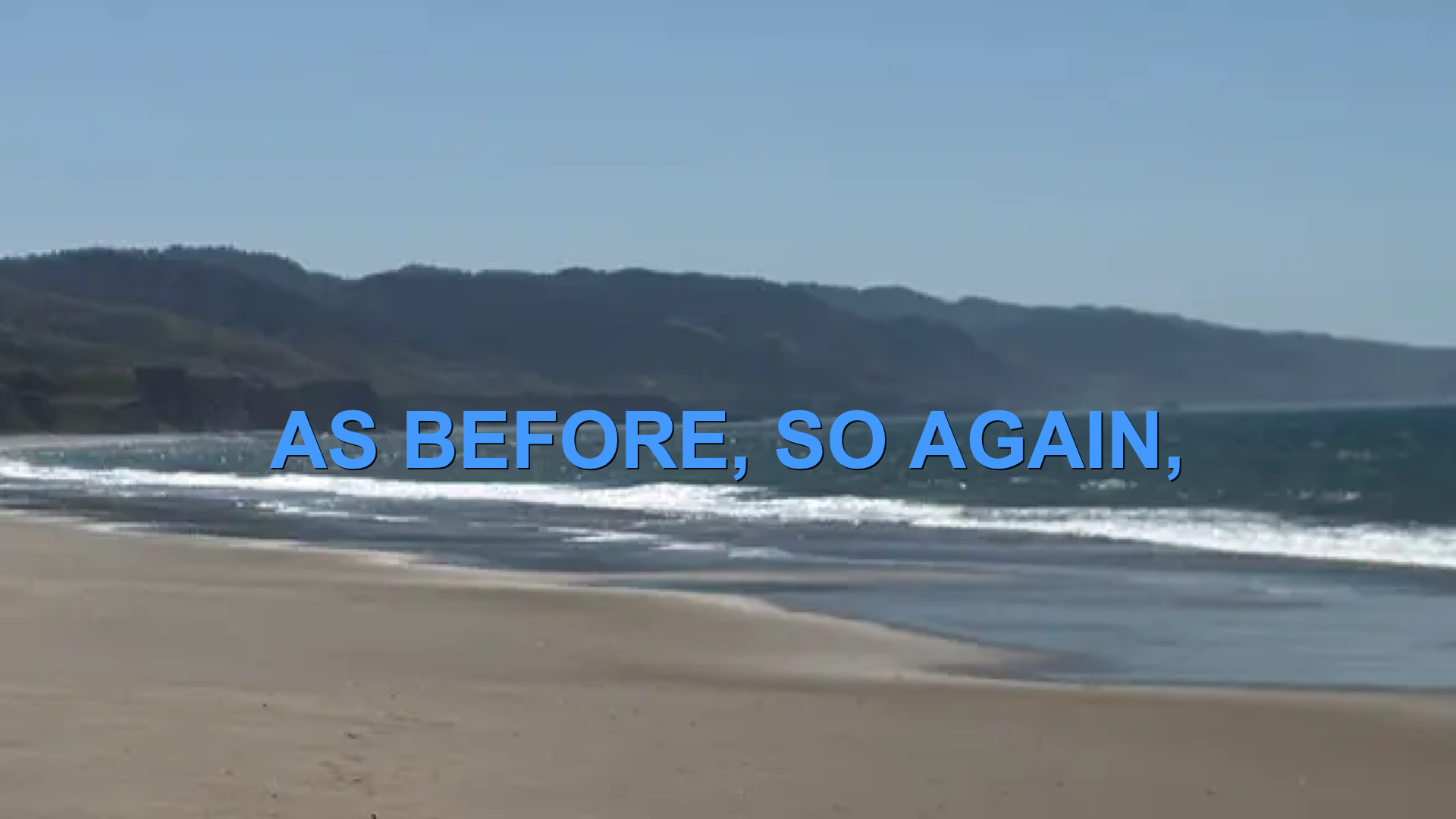
This week I made a silly-serious thing: the ARE.NA HYPERNORMALISATION MACHINE. It's a website, built on the are.na API, which shows a slideshow of captioned images in a format that will feel strangely familiar to anyone who has ever watched an Adam Curtis documentary.
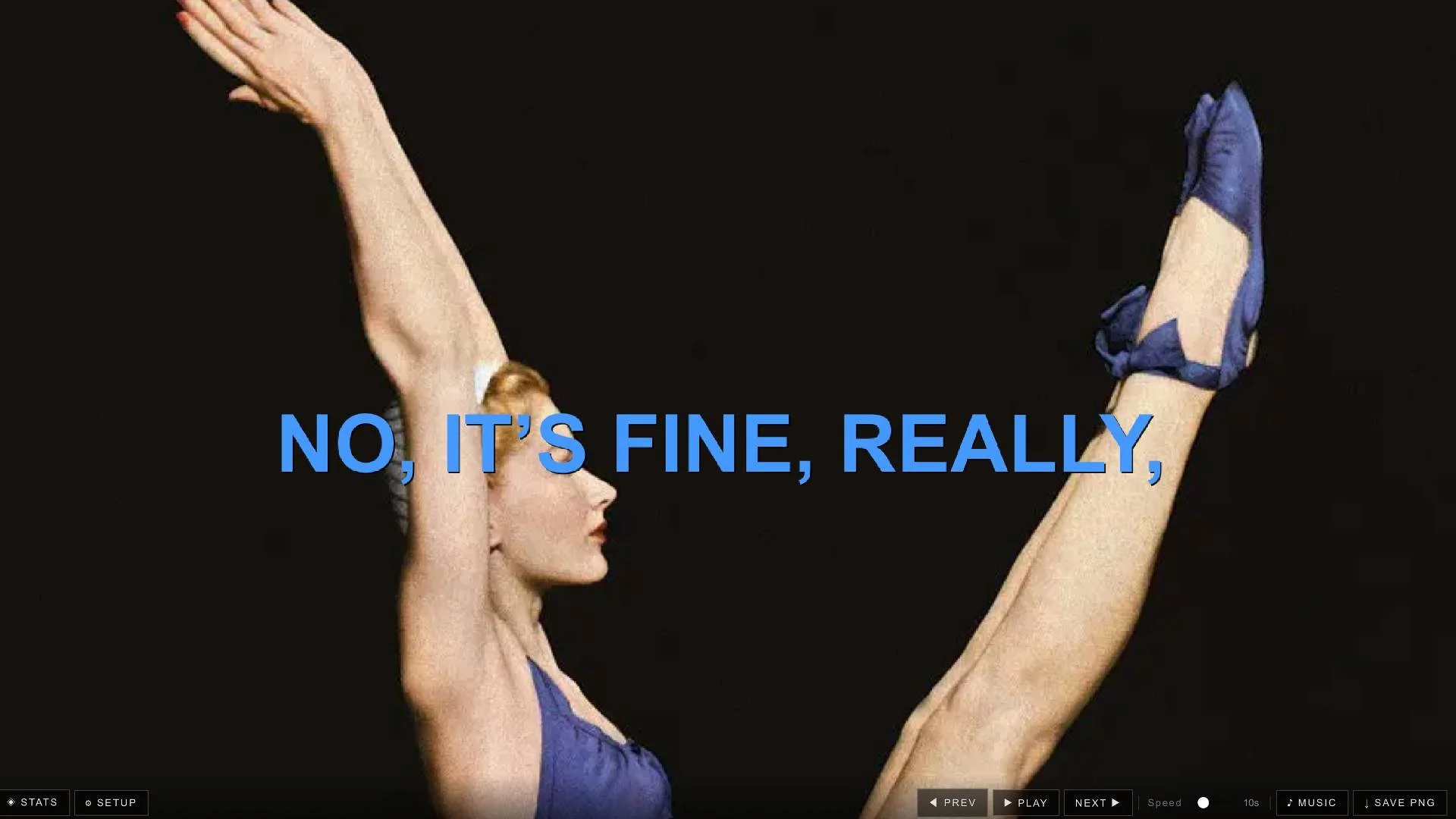
The chaps at are.na were kind enough to feature it in a writeup of their API this week (which is itself very worth a read). You don't need an are.na account to use it, but if you do, you can add your own content. Oh, it's worth putting the audio on for the full Curtis, too.
Plus, a hat-tip is due to internet acquaintances Tom Scott and Dan Williams who made something similar years back, which I found whilst making this.
On Finally Being Able To Build Things
I've been experimenting with AI-assisted coding recently - ‘vibe coding’, as it’s become known. My code skills are limited, and although I've worked on many cutting-edge digital projects over the years, I've never been good enough to build my own things. I say that I can read code, but not write it: I’m technical for a non-developer, so have some degree of comfort with the bits of a computer most people never see, like the command line. The Hypernormalisation Machine is one of a few are.na toys I’ve made, including a palette generator (which needs more work) and another randomiser to use as an inspiration tool in the studio.
Back in the old, hopeful internet days, I was really involved in creative technology. When I worked on bbc.co.uk in the early 2000s, everything was hand-written in HTML. I nearly made a server fall over with excessive use of server-side includes as I hacked together the Fish of Fear with… limited nous but much enthusiasm. In 2010 I helped set up Culture Hack Day, and although I had to step away from the organising, I still went along. I remember feeling dejected and frustrated because I could feel my way through the tools and data available, had ideas about what I could make, but that I couldn’t make them myself. I’ve always been reliant on brilliant, creative technologists like Phil Gyford, Paul Mison, Dan Catt, Tom Armitage, Chris Thorpe (among many) who have patiently explained things to me, and done the hard work of making them real as I waved my hands at them.
Suddenly, with LLM tools, I can make toys and tools, and it's opened up some really interesting spaces, adjacent to my drawing practice.
On Working With AI
I'm not blind to the complexity and ethics of AI use: the environmental burden, the absolute fuckery of the tech-bros running the big surveillance tech companies, the way it’s being stitched in to every platform we use, the effect on the job market, the baked-in bias and the stubborn refusal to acknowledge that, the burden it places on public infrastructure, the way that it strip-mines culture and averages all human potential. Not to mention the silly amounts of money being poured in to tools that expensively solve problems no-one actually had.* Like most technologies, it's going to slump once the frantic hype-cycle peaks, and then we'll work out what it's good for. Let’s hope it doesn’t bring down the economy with it.
AI is beginning to feel to me like a new abstraction layer on top of the underlying hardware - moving upwards from machine code, to interpreters and compilers, to the command line, to WIMP GUIs. The AI/LLM layer sitting on top of this stack feels like a natural language interpreter, a move further on from the symbolic action of code or point-and-click to speaking-a-thing-into-being.
This speaking-in-to-being is a kind of translation. Several years back I remember reading about how Google translate seemed to be working by creating an ‘ur’ language, to which it mapped other languages internally: a ghostly transformation path derived from vectors and similarities in texts. It makes sense to me that LLMs, built from code and language by people whose worldview is profoundly shaped by the cold logic of code and capital, would be uncannily good at the task of creating code from language.
The ‘black box’ at the core of Claude, ChatGPT et al. - the fact we don’t necessarily know what it’s doing under the hood - is how most people feel about computers, anyway. They know how to make their phone do what they want, mostly, but inside, the workings? It really is indistinguishable from magic.
I still don’t think the solution to this is ‘everyone should learn to code!’, but that we as technologists should make our work more readable, more transparent, and take the time to help people explore the systems of technology our meta-modern world is built on. My ability to get what I want out of Claude is absolutely built upon two decades of working alongside developers, and of knowing how to translate ideas from one realm of metaphors to another.
At the same time, AI’s uncanny ability to make things that are meaning-shaped is built on years of human effort to digitise and open up culture for everyone. Sometimes I imagine those huge vector spaces to feel a bit like Borges’ Library of Babel crossed with Aby Warburg’s Mnemosyne. Bots regularly bring museum, archive and gallery websites to their knees as they hammer through open-licensed collections (which costs tax-payers money in time and labour to secure those systems). The LLM models were trained on pirated books, with no recompense or thought for the human authors. Perhaps we should pay more attention to those who are stealing the commons from the goose.
Anyway. It's complex, and it's important that we keep these systems (and culture) open and visible and available to everyone, and continue to explore the implications and consequences of fast technological change.
On Thinking With Machines
I’ve been thinking about the legacy that technological change has left us in my drawing practice for a while. I’m stumbling along connecting lines from the early 20th century, to the 60’s, to our current strange epistemic vibe shift times. Choices or omissions we make now will remain baked in to our systems and machines for a long time, in the same way the ghosts of Vannevar Bush, Szilard, Weiner and Skinner haunt our current moment.
Part of that thinking has involved collecting phrases and images that seem to point to something new, or uncanny; creating archives of my own, and exploring what happens when these ideas collide and couple unexpectedly. The seed for the Hypernormalisation Machine took root in a clickstream dérive.
Besides, there's a joy in making something that spits out a post-ironic critique of its own making. The masters’ tools will never dismantle the masters’ house, but they might briefly make you laugh, and think a little harder about the circumstances that led you to accept those masters’ truths.